Short, adjustable or long? A lead for every walk
12. november
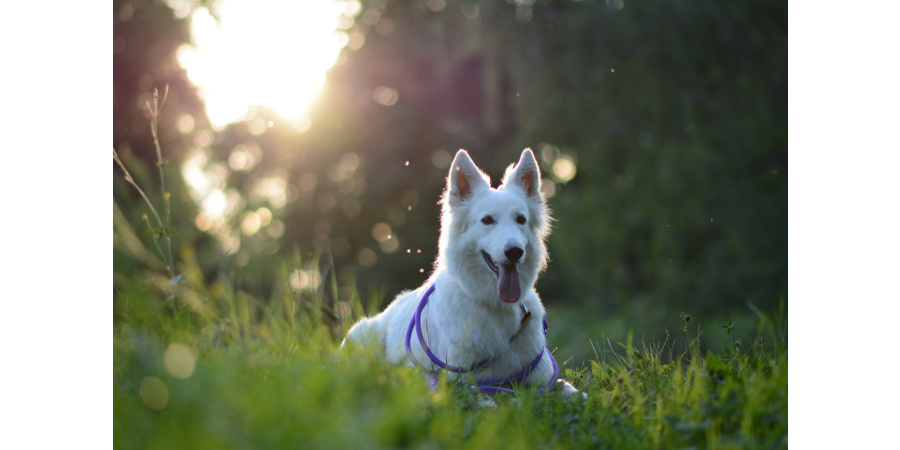
In the morning, you need to make your way along a busy pavement. In the afternoon, your dog wants to stop at every bush. At the weekend, you head somewhere with a little more room for both of you. The lead comes along every time. But the length that works well in the town square can feel rather restrictive on a leisurely sniffing walk.
So how do you choose? A shorter lead is useful when you need your dog close by, a multi-position lead suits changing surroundings, and a long line offers more room in open spaces with good visibility. What matters just as much is how comfortable you feel handling it and what your dog has already learned.
A short lead: when you need to stay close
Beside a road, in a crowd or on your way to a table at a café, it helps to have your dog nearby. A shorter lead is easy to handle, with less spare length to gather up as you walk.
Short does not have to mean tight. Even when your dog needs to stay close, aim to leave enough slack for comfortable movement without constant pressure on their neck or harness. If the lead tightens whenever they stop or turn their head, it is too short for that moment.
That is why a short lead may not be the most comfortable choice for an entire walk across a meadow. You might use a shorter length for one section, then give your dog more room again.
A multi-position lead: from the pavement to the park
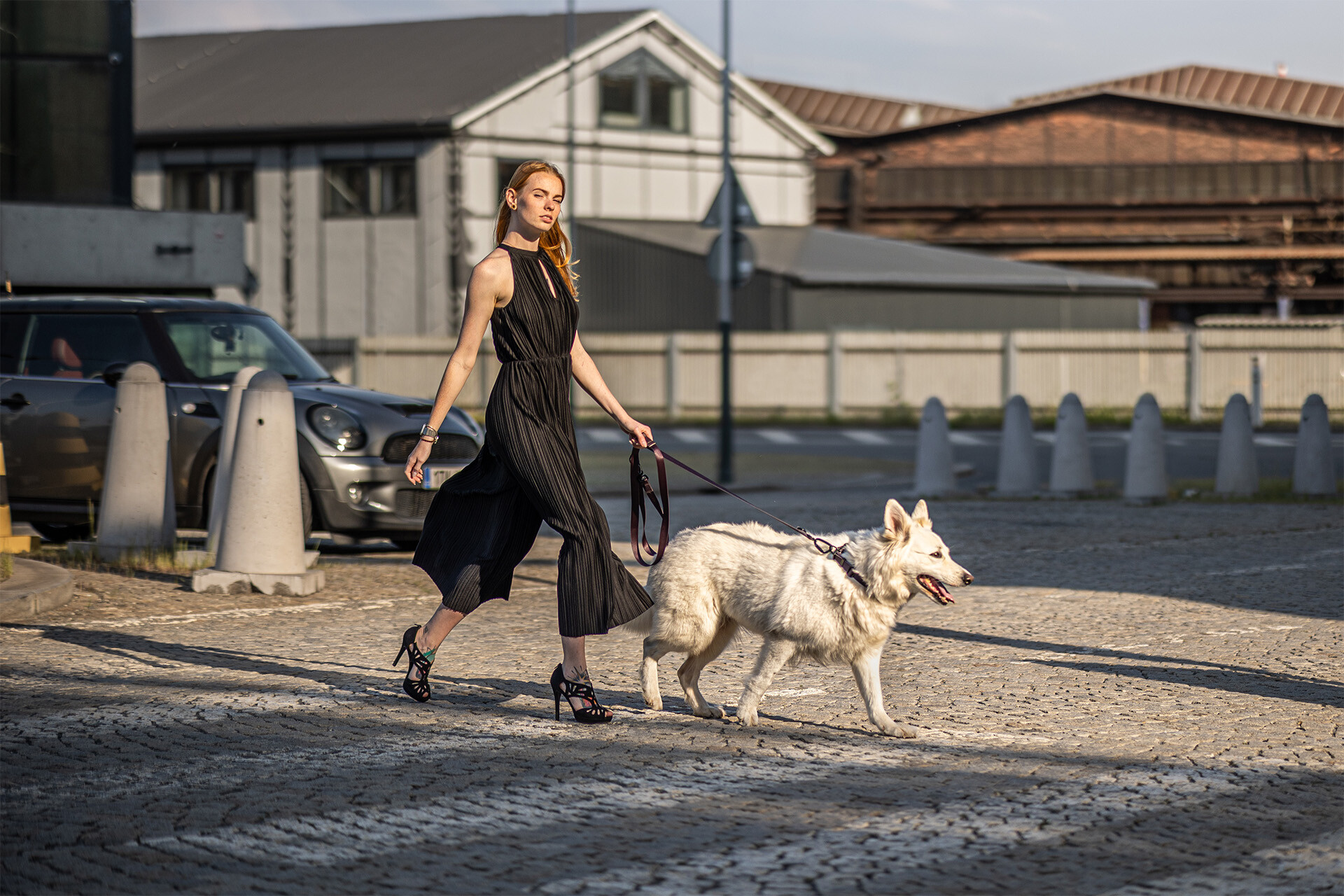
One minute you are beside a busy road; a few minutes later, you are strolling through the park. This is where a multi-position lead comes into its own. You adjust the length by clipping the clasp to different rings, rather than taking a separate lead for each setting.
Shorten it before a crossing and lengthen it on a quiet path. The available lengths and ways of using it depend on the design of the particular lead.
Before changing the setup, make sure your dog is secure and check which clip you are moving. Especially near a road, you do not want to unclip the one keeping your dog attached.
Multi-position or continuously adjustable?
You may also come across the term adjustable lead. Product names vary, so it is worth checking how the adjustment actually works.
A traditional multi-position lead uses rings fixed at set points. CALIDU’s Midnight adjustable lead has a sliding system, allowing adjustment beyond a few fixed positions. It measures 200 cm in total and can be held in your hand, worn around your waist or across your body.
When you wear a lead around your body, part of its length goes around you. That means the full two metres will not be available between you and your dog. Try the setup and check how much room your companion has, and whether it feels comfortable for both of you.
A long line: more room to explore
In an open meadow or during recall practice, a long lead, often called a long line, can be useful. Common examples are five or ten metres long. Your dog can move further away while remaining attached to you.
Extra length also means more handling. You need to watch where the line goes, manage the slack and keep an eye on your surroundings. On a narrow pavement, around cyclists or near unfamiliar dogs, avoid giving your dog the full length simply because it is available.
Use a well-fitting harness when working with a long line. During recall practice, the line is there as a safety measure, rather than a way to pull your dog back to you. Do not let them build up speed and hit the end at a full run. Never wrap the spare line around your hand or fingers, and keep it clear of legs.
If you are still choosing your equipment, our guide to finding a harness that really fits your dog is a useful place to start.
There is more to it than length
A lead should feel comfortable in your hand, with its weight and clip suited to your dog’s size. For a small puppy, check that heavy fittings are not weighing them down. Before a walk, check the fastening, joins and any signs of damage.
And if your dog pulls? A different lead cannot replace loose-lead training. A suitable length can make things easier, but learning together still matters. Start somewhere quiet and reward your dog for following you with slack in the lead.
Choose for the walks you share
For everyday walks that take you from streets to parks, a multi-position or continuously adjustable lead can be a practical starting point. A long line serves a different purpose when you have enough space and can focus on handling it.
You do not need a different lead for every day of the week. What matters more is knowing when to shorten it, when to give your dog more room, and what feels comfortable and safe for you both. Explore CALIDU’s leads and choose one that suits your shared adventures.
Together, every step of the way