/search_thin.svg)

/user.svg)
/cart.svg)
/benefit_heart.svg)
Calidu.cz
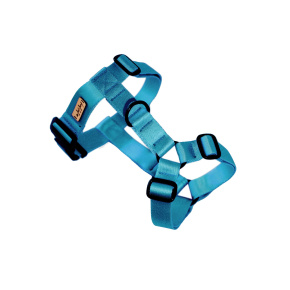
Nylonový postroj Peacock
Code:
91
from
39.78 EUR
On request
/heart.svg) Favorite
Favorite/compare.svg)
Správný střih ve tvaru písmene Y: S ohledem na pohybový aparát pejska. Pro přirozený pohyb končetin
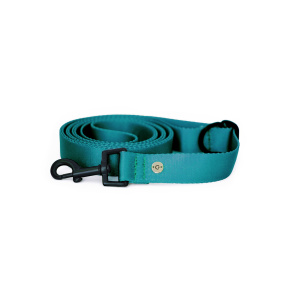
Nastavitelné vodítko Peacock
Code:
93
from
32.32 EUR
On request
FavoritePřizpůsobte si délku podle sebe: Délka, která bude vyhovovat přesně vám v každé situaci. Vodítko se
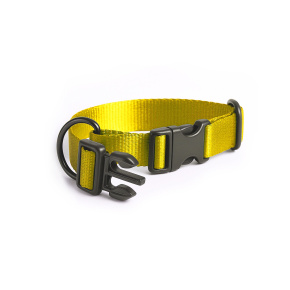
Obojek pro psa bezpečnostní Canary
Code:
127
from
29.83 EUR
On request
FavoritePromyšlené bezpečné zapínání: Chytrý systém se speciálním provlečením přes kovový kroužek snižuje tl
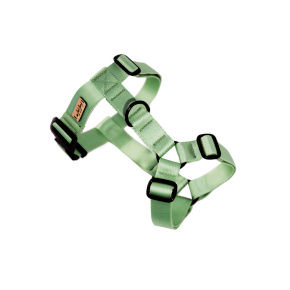
Nylonový postroj Olive
Code:
139
from
39.78 EUR
On request
FavoriteSprávný střih ve tvaru písmene Y: S ohledem na pohybový aparát pejska. Pro přirozený pohyb končetin
BESTSELLER
 Free
Free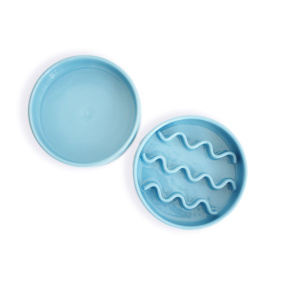
Set keramických misek Ocean
Code:
set-keramickych-misek-ocean
from
79.62 EUR
On request
FavoriteVytvořte z podávání krmiva zdravý rituál. Krmení bez hltání: Výstupky v misce podněcují psa ve zp
BESTSELLER
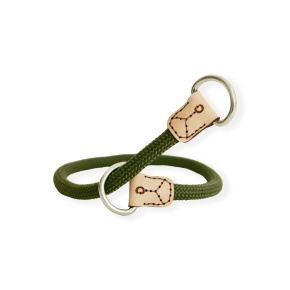
Obojek Lina Výcvikový Stahovací
Code:
53
100%
from
19.87 EUR
On request
FavoriteRučně prošitý každý steh: Kožené komponenty z přírodní hovězí kůže ručně prošité steh po stehu. Exk
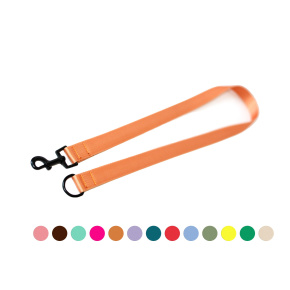
Rozdvojka na vodítko popruhová
Code:
108
from
16.38 EUR
On request
FavoriteV balíčku 2 ks prodlužovacích pásů: V základu obdržíte 2 ks extenderů, díky kterým si můžete připnou
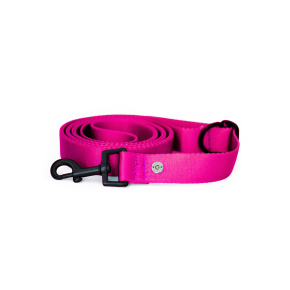
Nastavitelné vodítko Barbie Pink
Code:
116
from
22.36 EUR
On request
FavoritePřizpůsobte si délku podle sebe: Délka, která bude vyhovovat přesně vám v každé situaci. Vodítko se
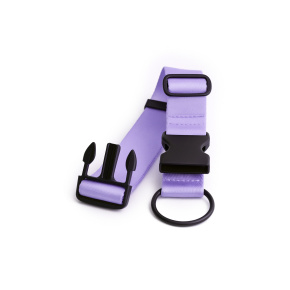
Obojek pro psa bezpečnostní Lavender
Code:
81
from
22.36 EUR
On request
FavoritePromyšlené bezpečné zapínání: Chytrý systém se speciálním provlečením přes kovový kroužek snižuje tl
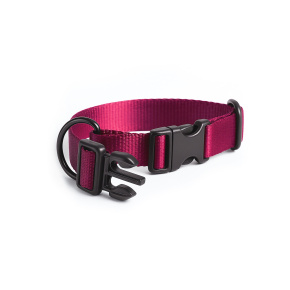
Obojek pro psa bezpečnostní Burgundy
Code:
obojek-pro-psa-bezpecnostni-burgundy
from
27.35 EUR
On request
FavoritePromyšlené bezpečné zapínání: Chytrý systém se speciálním provlečením přes kovový kroužek snižuje tl
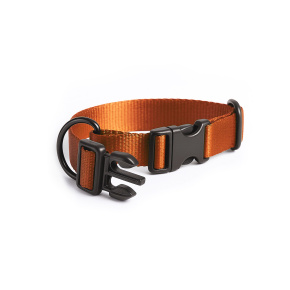
Obojek pro psa bezpečnostní Copper
Code:
80
from
29.83 EUR
On request
FavoritePromyšlené bezpečné zapínání: Chytrý systém se speciálním provlečením přes kovový kroužek snižuje tl
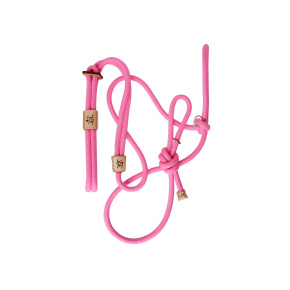
Vodítko 3v1 Twistline - Růžová
Code:
9
from
54.72 EUR
On request
FavoriteTři produkty v jednom: Postroj, obojek i 300 cm dlouhé přepínací vodítko v jediném chytrém řešení.
Why You Should Never Let Your Dog Play With the Leash
5. September 2025
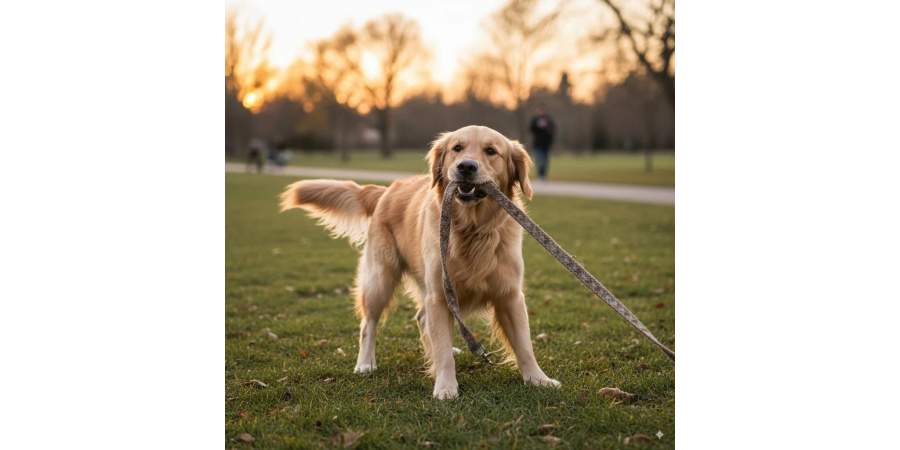
Perhaps you've experienced it yourself: you take your puppy or adolescent dog for a walk, and they start biting the leash. At first glance, it may seem like a cute game, but in reality, it's a habit your dog is gradually learning.
Keep these points in mind before allowing your dog to chew on the leash.
A Leash Is a Safety Tool, Not a Toy
A leash has one primary purpose: to keep your dog safe and under control. If your dog gets used to biting it, you risk them chewing through it or pulling it out of your hand in a critical situation, such as near a road or during an encounter with another dog.
You Are Reinforcing Undesirable Behavior
Dogs learn through repetition. If you allow your dog to “play” with the leash, they may begin to associate chewing with acceptable—or even rewarded—behavior. As a result, you may find yourself struggling with this issue on every walk.
Risk of Dental and Health Problems
Leash materials—whether leather, nylon, or rope—are not designed for chewing. Your dog could damage their teeth, ingest dirt and debris, or even injure their gums. The article also notes that CALIDU's materials are certified according to STANDARD 100 by OEKO-TEX®, ensuring they are safe for both dogs and their owners.
Shorter Leash Lifespan
A quality leash is an investment. When a dog regularly chews on it, the leash quickly loses both its strength and appearance, meaning you'll likely need to replace it sooner than expected.
How to Stop the Behavior
- Offer an alternative: Carry a small toy or some treats and redirect your dog whenever they start biting the leash.
- Ignore attention-seeking chewing: If your dog is chewing the leash simply to get your attention, avoid reacting.
- Practice calm walking: Reward your dog whenever they walk beside you on a loose leash.
- Be consistent: Don't allow the behavior “just this once,” otherwise it will become more deeply ingrained.
The leash is an extension of your hand. It represents safety and helps prevent your dog from wandering off or getting into unnecessary trouble. Remember, there are plenty of other ways to provide your dog with fun and opportunities to burn off energy
Why Choose CALIDU Leashes
- All materials are carefully selected to be comfortable and not cause friction burns on your hands.
- All materials meet the STANDARD 100 by OEKO-TEX® certification requirements.
- Different carabiner options (Mini, Classic, and Safe) are available to suit all dog breeds.
- A minimalist, elegant design for city walks combined with practical functionality for outdoor adventures.
September 5, 2025